
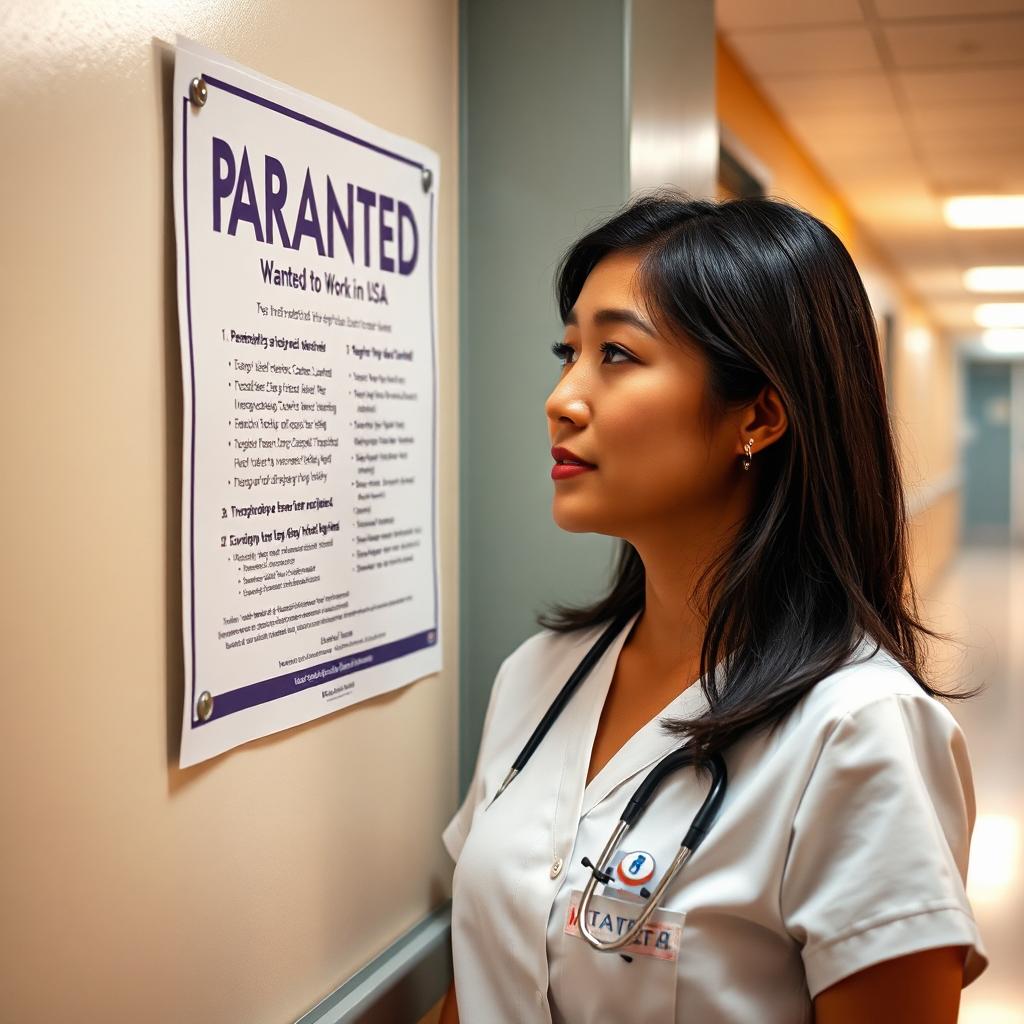
My Journey as a Paramedic in the USA from the Philippines

When I landed at Los Angeles International Airport with two suitcases and a dream, I had no idea how challenging my path to becoming a paramedic in America would be. Back home in Manila, I’d worked in healthcare, but starting over in a new country meant proving myself all over again. This is my story of perseverance, adaptation, and ultimately success.
Why I Chose to Pursue This Career in America
I remember sitting in my small apartment in Quezon City, scrolling through job opportunities abroad. The healthcare field in the United States was booming, and I kept reading about the shortage of emergency medical professionals. Unlike nursing, which had strict immigration quotas, the paramedic field offered more accessible entry points for skilled immigrants like me.
The salary difference was staggering. While I earned decent money in the Philippines, paramedics in the USA were making anywhere from $40,000 to $70,000 annually, sometimes more in major cities. But it wasn’t just about money. I wanted access to advanced training, cutting-edge equipment, and the opportunity to work in a system that valued emergency medical services.
My cousin had immigrated five years earlier and became an EMT in Texas. Her success stories motivated me. She told me straight up: “It won’t be easy, but if you’re willing to work hard, the opportunities are real.”
Getting My Legal Status Sorted
Before I could even think about training, I needed to figure out my immigration status. This was the first major hurdle I faced.
I initially came to the US on a student visa and enrolled in a community college for general education courses. This gave me legal status while I learned about the system and improved my English. Some of my kababayans came through family sponsorship, work visas, or already had green cards. Each path had different implications for employment.
I worked with an immigration attorney who cost me $2,000, but it was worth every penny. She helped me understand my options and eventually transition to a work authorization status. Without proper documentation, I couldn’t get licensed or hired, no matter how qualified I was.
Understanding the American Paramedic System
The US emergency medical system was completely different from what I knew in the Philippines. I had to start from scratch, even though I had healthcare experience back home.
The system works in levels: Emergency Medical Responder (EMR), Emergency Medical Technician (EMT), Advanced EMT (AEMT), and finally Paramedic. I couldn’t just jump to paramedic training. I had to work my way up, which actually helped me understand the American approach to emergency medicine.
Each state has different requirements and licensing boards. What qualified me to work in California might not be enough for New York or Texas. I had to research my specific state’s Department of Health Services and EMS authority.
My EMT Training Journey
I enrolled in an EMT-Basic course at a local community college in California. The program lasted four months and cost me around $1,200, which was manageable compared to other healthcare programs.
The coursework was intense, but the real challenge was the language and cultural differences. Medical terminology in English was completely different from what I’d learned in Tagalog and Filipino English. Words like “syncope,” “dyspnea,” and “tachycardia” took extra effort to memorize and pronounce correctly.
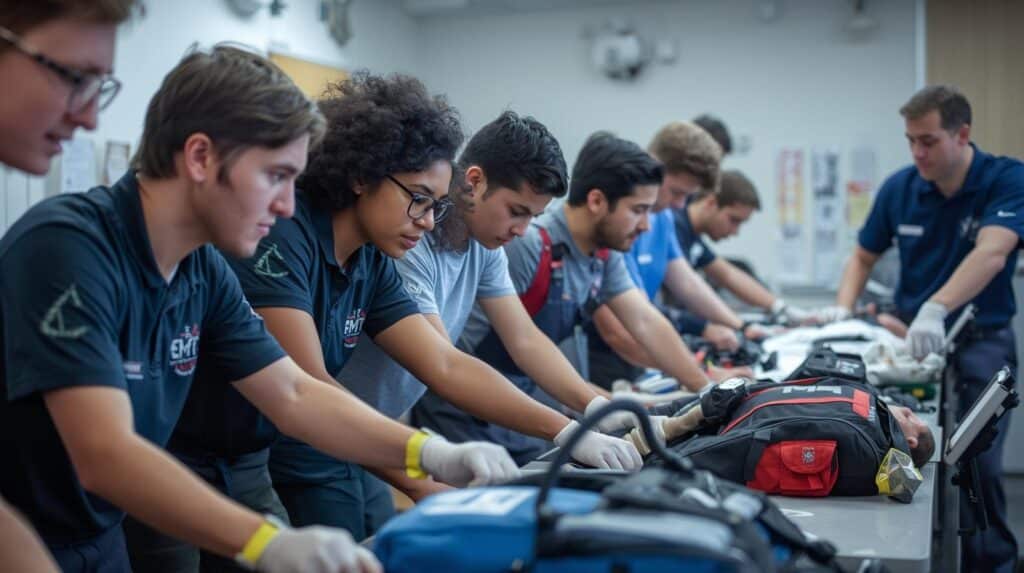
My instructors were patient, but they had high standards. I studied twice as hard as my American-born classmates. I recorded lectures, made flashcards, and joined study groups. The practical skills labs were easier for me because hands-on work transcends language barriers.
I completed 160 hours of classroom instruction and 40 hours of clinical rotations. The hospital rotations were eye-opening. The equipment, protocols, and patient volumes were nothing like what I’d experienced in Manila.
Passing the National Registry Exam
After completing my EMT course, I had to pass the National Registry of Emergency Medical Technicians (NREMT) examination. This was required in most states, including California where I was studying.
The exam had two parts: a computer-based cognitive test and a practical skills evaluation. I paid $80 for the cognitive exam and practiced with online question banks that cost another $50.
The cognitive test was adaptive, meaning it got harder or easier based on my answers. I was so nervous that my hands were shaking when I started. The test shut off after 70 questions, which meant I’d either done really well or really poorly. Three days later, I received my results: I passed!
Related Posts:

The practical exam tested my ability to perform skills like patient