

How to Get Sponsored EMT Training in USA

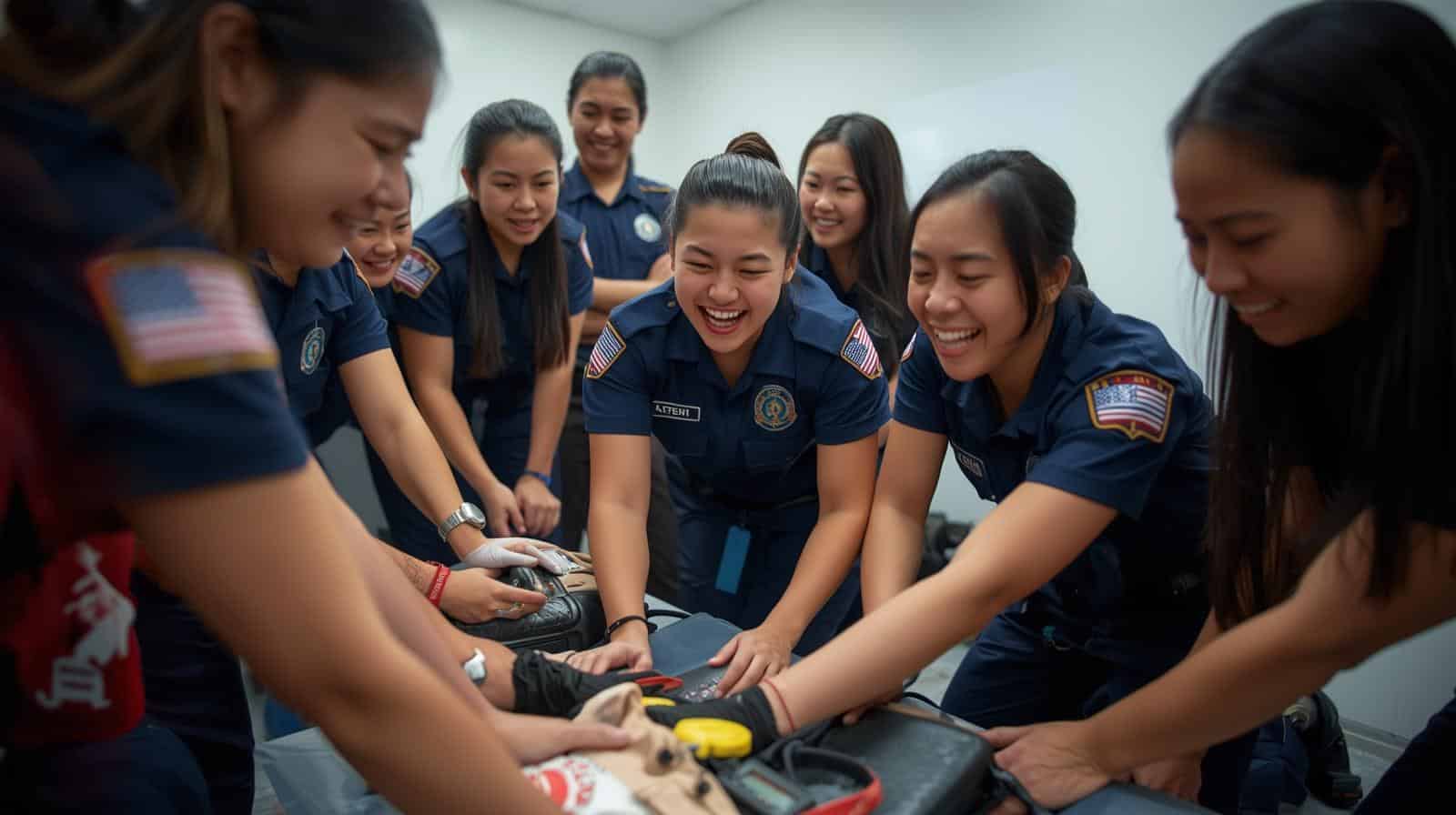
Breaking into emergency medical services doesn’t have to drain your savings. Sponsored EMT training programs offer aspiring emergency medical technicians a pathway to certification without the financial burden. Here’s what you need to know about securing funding for your EMT education.
What Is Sponsored EMT Training?
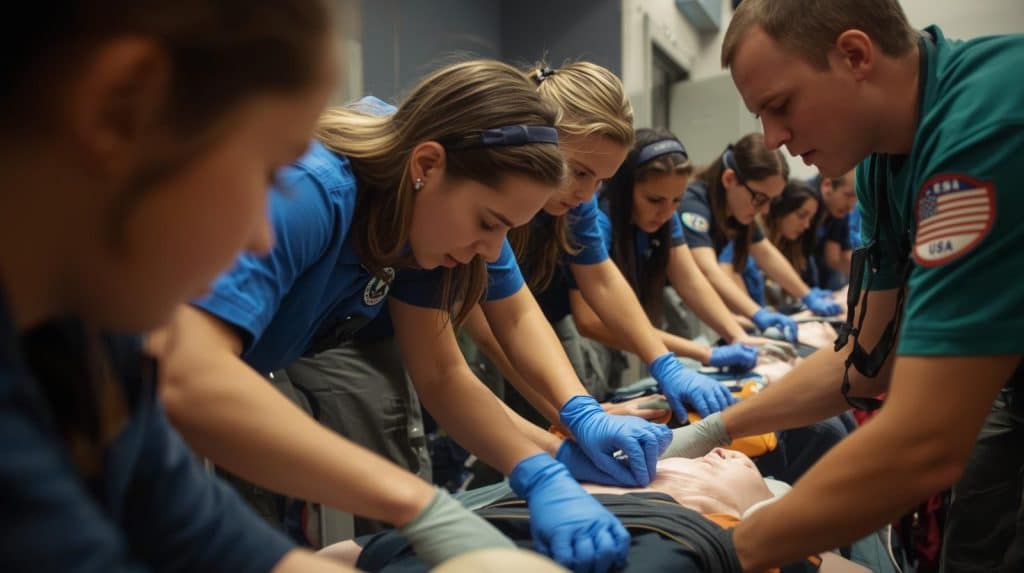
Sponsored EMT training occurs when an organization such as a fire department, ambulance service, hospital, or mining company pays for your EMT certification course in exchange for a commitment to work for them after graduation. This arrangement benefits both parties: you receive free or subsidized training, and the employer secures qualified staff.
Top Sources for Sponsored EMT Training
Fire Departments
Many fire departments offer sponsored EMT training as part of their recruitment process. They often run their own training academies or partner with local colleges to provide courses. In return, you typically commit to serving with the department for a specified period, usually 2 to 5 years.
Ambulance Services and Private EMS Companies
Private ambulance companies frequently sponsor EMT candidates, especially in areas with staffing shortages. These companies may offer sponsored EMT training with more flexible work commitments than fire departments, making them ideal for those seeking part-time or flexible schedules.
Hospitals and Healthcare Systems
Large healthcare systems sometimes provide sponsored EMT training for emergency department technicians or transport teams. These positions often offer benefits like tuition assistance for further medical education.
Mining and Industrial Companies
Resource companies operating in remote locations, particularly in Australia, Canada, and the United States, regularly offer sponsored EMT training for on-site emergency response teams. These positions typically come with competitive salaries and FIFO or DIDO arrangements.
Military Services
Military branches provide comprehensive sponsored EMT training through programs such as the Army 68W Combat Medic course and Navy Corpsman training. Veterans can also access EMT training through the GI Bill.to Find Sponsored EMT Training Opportunities
Research Local Emergency Services
Contact fire departments, ambulance services, and hospitals in your area directly. Many do not advertise their sponsored EMT training programs publicly but will discuss opportunities with serious candidates.k Job Boards Regularly
Search employment websites using terms like “sponsored EMT training,” “EMT trainee,” “EMT cadet program,” or “paid EMT certification.” Set up alerts to receive notifications when new positions post.
Network Within the EMS Community
Attend EMS conferences, volunteer with rescue squads, or join online forums. Current EMTs and paramedics often know about upcoming EMT training opportunities before they are publicly announced.
Contact Community Colleges
Many community colleges partner with local emergency services to provide sponsored EMT training. Financial aid offices can direct you to scholarship programs and employer partnerships.
What Employers Look For
To secure sponsored EMT training, you’ll need to demonstrate:
- Physical fitness: Most programs require passing a physical agility test
- Clean background: Criminal background checks are standard
- Valid driver’s license: Often with a clean driving record
- High school diploma or equivalent: Minimum educational requirement
- Strong work ethic: Commitment to serving your community
- Reliability: Ability to maintain consistent attendance and punctuality
Application Tips for Success
Prepare Your Application Materials
Create a compelling resume that highlights relevant experience, such as volunteer work, first-aid certification, or prior healthcare experience. Write a cover letter explaining why you are passionate about emergency medical services.
Ace the Interview
When interviewing for sponsored EMT training positions, emphasize your commitment to the field, willingness to learn, and understanding that you are making a long-term career investment.
Be Ready for Testing
Many programs require aptitude tests, physical fitness assessments, or basic medical knowledge exams. Prepare by studying EMT guides and maintaining good physical condition.
Understanding the Commitment
Sponsored EMT training typically comes with obligations.
- Service contracts: Agree to work for the sponsoring organization for 1-5 years
- Repayment clauses: If you leave early, you may need to reimburse training costs
- Performance standards: Maintain certification and meet job performance expectations
- Availability requirements: Be ready for shift work, including nights, weekends, and holidays
Alternative Funding Options
If sponsored EMT training is not immediately available, consider the following options.
- Scholarships: Many EMS organizations offer educational scholarships
- Payment plans: Most training programs allow installment payments
- Volunteer programs: Some volunteer squads reimburse training costs after service hours
- Workforce development grants: State and federal programs sometimes cover EMT training
- Employer tuition reimbursement: Current employers may fund career development
Taking the Next Step
Sponsored EMT training opens doors to a rewarding career in emergency medical services without financial stress. Start by researching opportunities in your area, preparing your application materials, and reaching out to local emergency services organizations.
Related Posts:


RememberRemember, securing sponsored EMT training is competitive. The more prepared and committed you appear, the better your chances of landing a position that launches your EMS career.
