

My Journey Through EMT Training in the USA
What EMT Training Really Costs and What to Expect
When I first decided to become an Emergency Medical Technician, I had no idea what I was getting myself into—not just emotionally and physically, but financially as well. I spent weeks researching EMT training programs across the USA, comparing costs, reading reviews, and trying to figure out which path was right for me. Now that I’ve been through it, I want to share my experience to help anyone considering this incredible career path.
Why I Chose EMT Training
I’ll be honest—I didn’t grow up dreaming of being an EMT. But after volunteering at a community health fair and watching EMTs in action, something clicked. These people were making a real difference, responding to emergencies, saving lives, and being there when people needed help most. I wanted to be part of that.
The best part? Unlike many healthcare careers that require years of schooling and tens of thousands of dollars, EMT training usually costs between $1,000 to $1,750 and takes three months (or less with an accelerated course) to get certified. That accessibility was huge for me.
Breaking Down the Real Cost of EMT Training in the USA
Let me walk you through what I actually spent on my EMT training, because the “tuition” number you see advertised is never the whole story.
Tuition: The Biggest Expense
Tuition varies widely depending on where you go and the type of institution you choose. Here’s what I found during my research:
Community Colleges: Community college programs usually charge $200-$1,000 for basic EMT training; however, the tuition may be substantially more for out-of-state students. I looked at South Louisiana Community College, where the basic EMT training is $258 for state residents, plus a $52 student fee. That’s incredibly affordable, but I wasn’t a Louisiana resident.
I also checked out programs in Washington and California. At other community colleges such as Tacoma Community College in Washington, the training costs are about $1,000, comparable to universities.
Universities and Private Training Centers: These tend to be pricier but often more convenient with flexible schedules. The University of Iowa Hospitals and Clinics offers a 138-hour training program for EMTs that costs $850, while UCLA secures training through its Center for Prehospital Care for $925 for a 20-day fulltime program which can be completed part-time and at night over three months.
I ended up choosing a program that cost me around $1,625. It was on the higher end, but it included the textbooks, which saved me money in the long run.
The Hidden Costs Nobody Tells You About
Here’s where things get real. The tuition is just the beginning. Let me break down all the additional expenses I encountered:
Books and Materials: The cost of books and materials is generally $200 – $300 per student, and typically each student will need an EMT textbook, a stethoscope, blood pressure cuff, pen light, CPR mask, and CPR certification. Fortunately, my program included the textbook, but I still had to buy my stethoscope and other equipment. I spent about $150 on quality gear that would last.
Certification Exam Fees: After completing the training, you’re not done spending. Certification testing at the end of class will cost about $200, and this cost will increase if the student needs to repeat any exams. The National Registry exam itself costs $70, but when you factor in the state practical exam and other testing fees, it adds up.
Uniforms: Some courses may require a uniform for clinical externships. I had to purchase navy blue pants, black shoes, and a black belt for my clinical rotations. That was another $100 or so.
Health Requirements: This one surprised me. Health testing and vaccinations may be required before entering an EMT program, with TB tests usually costing less than $20, while vaccines such as the Hepatitis B vaccine can cost up to $50 a dose. I needed a TB test, proof of immunizations, and a physical exam. All told, that was about $80.
Background Check: Most programs require a criminal background check. Mine cost $30.
CPR Certification: If you don’t already have it, the cost of classes provided by the American Heart Association and the Red Cross varies by location and is typically under $100. I had to get my BLS (Basic Life Support) certification before starting, which cost me $75.
My Total Investment
When I added everything up, here’s what I actually spent:
- Tuition: $1,625 (books included)
- Equipment (stethoscope, BP cuff, etc.): $150
- Uniform: $100
- Health requirements: $80
- Background check: $30
- BLS/CPR certification: $75
- NREMT exam and state testing: $200
Grand Total: $2,260
Was it worth it? Absolutely. But I wish someone had told me upfront about all these additional costs so I could have budgeted properly.
What the Training Was Actually Like
The Time Commitment
EMT training programs typically range from 120 to 150 hours of instruction, covering essential topics such as basic life support, airway management, patient assessment, and emergency response techniques. My program was about 150 hours total.
On average, it takes anywhere from six weeks to six months to complete the required training, with accelerated programs allowing students to finish quickly, while part-time or evening classes may take longer. I opted for an evening program that met twice a week for about four months. It was perfect for me since I was working full-time.
Some of my classmates chose accelerated programs. Accelerated EMT courses, such as the 4-week program offered by MissionCIT, are structured to cover the same comprehensive curriculum as the standard 12-week courses. Those programs are intense—classes five days a week, all day long—but they get you certified fast.
Classroom vs. Hands-On Training
The first half of my training was mostly classroom work. We learned anatomy, physiology, patient assessment, and how to handle everything from cardiac emergencies to traumatic injuries. The basic training includes managing respiratory, instruction in assessing patients, as well as trauma and cardiac emergencies, and further instructs students on handling typical emergency calls including emergency childbirth, cardiac arrest, and fractures.
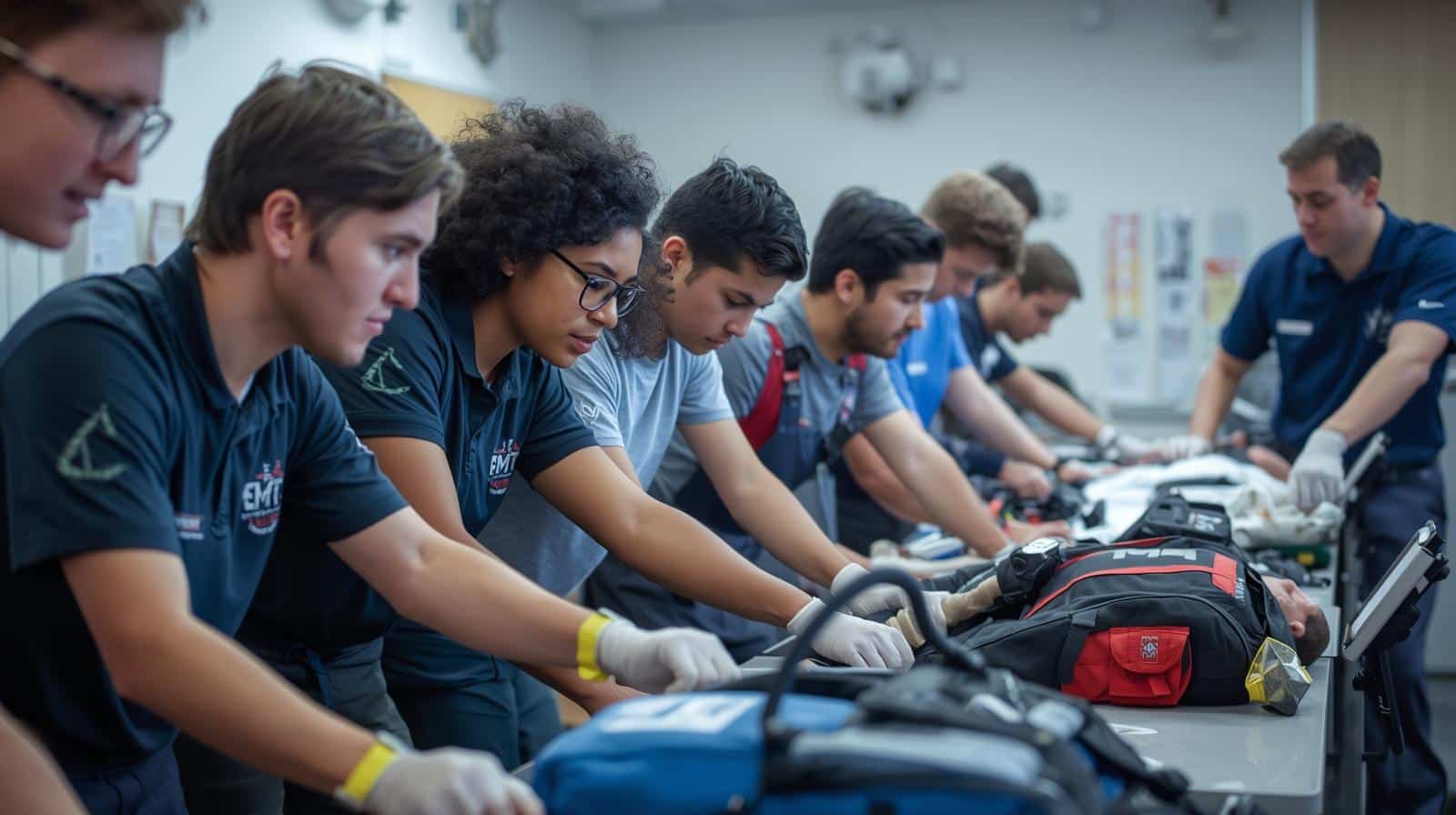
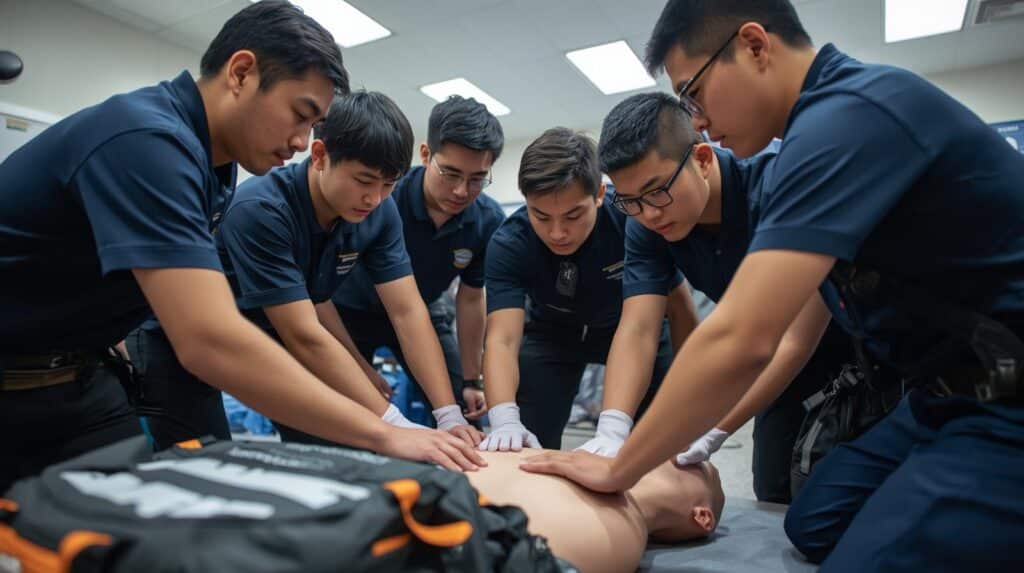
The second half was where things got real. We had practical labs where we practiced skills on mannequins and each other—taking blood pressures, splinting fractures, managing airways, performing CPR. It was awkward at first, practicing on my classmates, but it built confidence.
Clinical Rotations: The Game Changer
This often includes 8 to 16 hours of clinical experience in hospitals and 12 to 24 hours in field settings, such as ambulance ride-along. For me, this was the most valuable part of the entire training.
I spent 12 hours in a busy emergency department and another 24 hours riding along on an ambulance. Those experiences were eye-opening. I saw real patients, real emergencies, real chaos. I watched experienced EMTs handle situations with calm professionalism that I could only hope to develop.
During one of my ambulance ride-alongs, we responded to a car accident. I remember my hands shaking as I helped assess the patient, but my preceptor was patient and encouraging. That moment—when I realized I could actually help someone in their worst moment—that’s when I knew I’d made the right choice.
Prerequisites and Requirements
Before I could even apply to my EMT program, I had to meet certain requirements:
Most programs require applicants to be at least 18 years old, and a high school diploma or GED is typically required to ensure students have the foundational level of education needed to succeed in the program. I was 24 and had my diploma, so I was good there.
Candidates must complete a CPR (Cardiopulmonary Resuscitation) certification course, often offered through organizations like the American Heart Association or the Red Cross, to ensure that students already have basic life-saving skills before starting their EMT training. I took my BLS course a month before my EMT class started.
I also needed a clean criminal background. A clean criminal background is required for certification, as well as ride-along shifts and employment eligibility. They ran my background check during the application process.
Finding the Right Program
Choosing the right EMT training program was crucial for me. Here’s what I learned:
Accreditation Matters: State license boards require that EMT training programs are accredited, and attending a school that is not accredited could result in denial of a license, whether or not the certification exam is taken and passed. I made absolutely sure my program was state-approved and nationally recognized.
Watch Out for Red Flags: Courses that are really cheap (less than $1000) or really expensive ($1750 or higher) should raise some red flags, so read reviews and ask questions. I contacted several programs, asked to speak with recent graduates, and read every review I could find.
Consider Your Schedule: I needed a program that worked around my job. Evening and weekend classes were essential for me. Some people can do accelerated full-time programs, but I needed that steady income while training.
The Certification Process
After completing my training, I had to pass two exams to become certified:
- The National Registry Cognitive Exam: This is a computer-adaptive test with 70-120 questions and a 2-hour time limit. It was nerve-wracking, but my training prepared me well.
- The Practical Skills Exam: I had to demonstrate various EMT skills in front of examiners. Things like patient assessment, CPR, airway management, and trauma care. My hands were sweating, but I passed on my first attempt.
Was It Worth the Investment?
Looking back on my EMT training experience, I can honestly say it was one of the best decisions I’ve ever made. Yes, I spent over $2,000. Yes, it was challenging and time-consuming. Yes, there were moments when I doubted myself.
But now I have a career where I make a real difference every single day. I respond to emergencies, help people in crisis, and I’m part of a community of dedicated professionals who show up when it matters most.
It takes approximately 120 hours of supervised training to become an EMT, and this typically takes candidates between six months and one year to complete. For an investment of a few thousand dollars and a few months of your time, you can launch a meaningful career in healthcare.
My Advice for Future EMT Students
If you’re considering EMT training in the USA, here’s what I wish someone had told me:
Budget for the Extras: Don’t just look at tuition. Factor in all the additional costs—equipment, uniforms, exams, health requirements. Add at least $500-$700 to whatever tuition cost you see.
Choose Quality Over Price: The cheapest program isn’t always the best. Look for programs with experienced instructors, strong clinical partnerships, and high NREMT pass rates.
Take Advantage of Clinical Time: Those ride-alongs and hospital rotations are gold. Ask questions, volunteer for everything, and soak up as much knowledge as you can from experienced providers.
Connect with Classmates: My EMT class became like a family. We studied together, practiced skills together, and supported each other through the stress. Some of my classmates are now my coworkers and close friends.
Use Resources Like EMTjobs.org: Once you’re certified, finding your first job can be overwhelming. I used EMTjobs.org to search for positions in my area. The platform made it easy to filter by location, shift type, and employer. I found my first EMT job through that site, and I’ve recommended it to countless people since.
The Bottom Line
EMT training in the USA is accessible, affordable, and absolutely life-changing. Whether you spend $500 at a community college or $2,500 at a private training center, you’re investing in a career that matters.
For me, every dollar and every hour was worth it. I wake up knowing that I might save a life today. I go to work knowing that I’m trained, certified, and ready to help my community when they need it most.
If you’re on the fence about EMT training, I say go for it. Research programs in your area, budget carefully, and commit to the process. The rewards—both personal and professional—are immeasurable.
And when you pass that NREMT exam and get your first patch, you’ll understand exactly what I mean. Welcome to the family.